

Choosing between a MIDI controller and a keyboard is decided by your particular needs, preferences, and the kind of music production or efficiency you engage in. Here are some pros and cons of both, along with ideas to assist you make an knowledgeable choice:
MIDI Controller:
Pros:
Versatility:
MIDI controllers are versatile, offering varied varieties like keyboard controllers, pad controllers, and control surfaces, every designed for specific duties.
Parameter Control:
Many MIDI controllers include assignable knobs, sliders, and buttons, offering hands-on management over varied parameters in your DAW or digital instruments.
Specialized Controllers:
You can select controllers designed for specific duties, similar to drum pad controllers for beatmaking or control surfaces for mixing and editing.
Customization:
MIDI controllers are sometimes extremely customizable, permitting you to assign specific capabilities to controls based on your preferences.
Integration with Hardware:
MIDI controllers can integrate with exterior hardware synthesizers and devices, providing a unified management interface.
Cons:
Limited Instrument Emulation:
Some MIDI controllers, particularly these and not utilizing a conventional keyboard structure, may not be appropriate for emulating the feel of sure instruments like pianos.
Learning Curve:
Some controllers, significantly those with extensive options, might have a steeper learning curve for novices.
Keyboard:
Pros:
Instrument Emulation:
Keyboards, especially these with weighted or semi-weighted keys, can closely emulate the feel of conventional instruments like pianos.
Expressive Playing:
Many keyboards include velocity-sensitive keys, permitting for expressive enjoying with nuances in dynamics.
Stand-Alone Playability:
Keyboards with built-in sounds may be played independently without the need for a pc or exterior software.
Built-in Features:
Some keyboards come with built-in features like speakers, results, and additional sounds.
Cons:
Limited Parameter Control:
Traditional keyboards often lack the in depth parameter control discovered on MIDI controllers, limiting hands-on manipulation in digital environments.
Less Versatile:
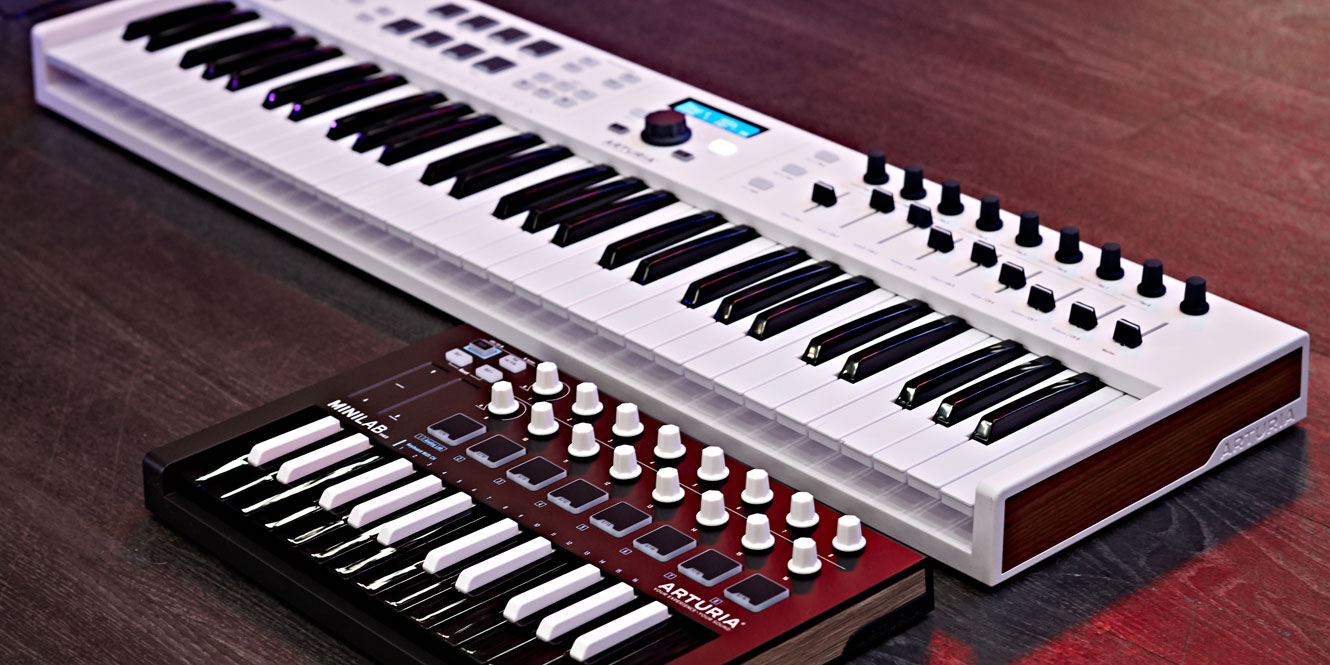
Keyboards are designed primarily for taking half in musical notes and may not provide the same versatility as MIDI controllers for different tasks.
Tips for Choosing:
Consider Your Needs:
Assess your specific needs when it comes to taking part in style, musical genre, and the tasks you need to carry out (e.g., stay performance, studio production, beatmaking).
Try Before You Buy:
If possible, check out completely different fashions earlier than making a purchase. The feel of the keys or pads and the general construct quality can tremendously impact your experience.
Evaluate Integration:
Consider how properly the controller or keyboard integrates along with your present setup, together with your DAW, plugins, and different equipment.
Think About Space and Portability:
If house is a priority or should you need portability, issue in the dimension and weight of the controller or keyboard.
Budget Considerations:
Determine your price range and discover options inside that range. Consider whether or not the extra features justify the fee.
Research User Reviews:
Read consumer evaluations and testimonials to know the real-world experiences of other musicians and producers with the specific models you're considering.
Future Expansion:
Consider how properly the controller or keyboard can accommodate your future needs as your skills and music production setup evolve.
In Best MIDI Keyboards , whether or not you select a MIDI controller or a keyboard is decided by your specific necessities and preferences. Some musicians discover value in having both forms of gadgets to cowl a range of tasks and playing kinds..